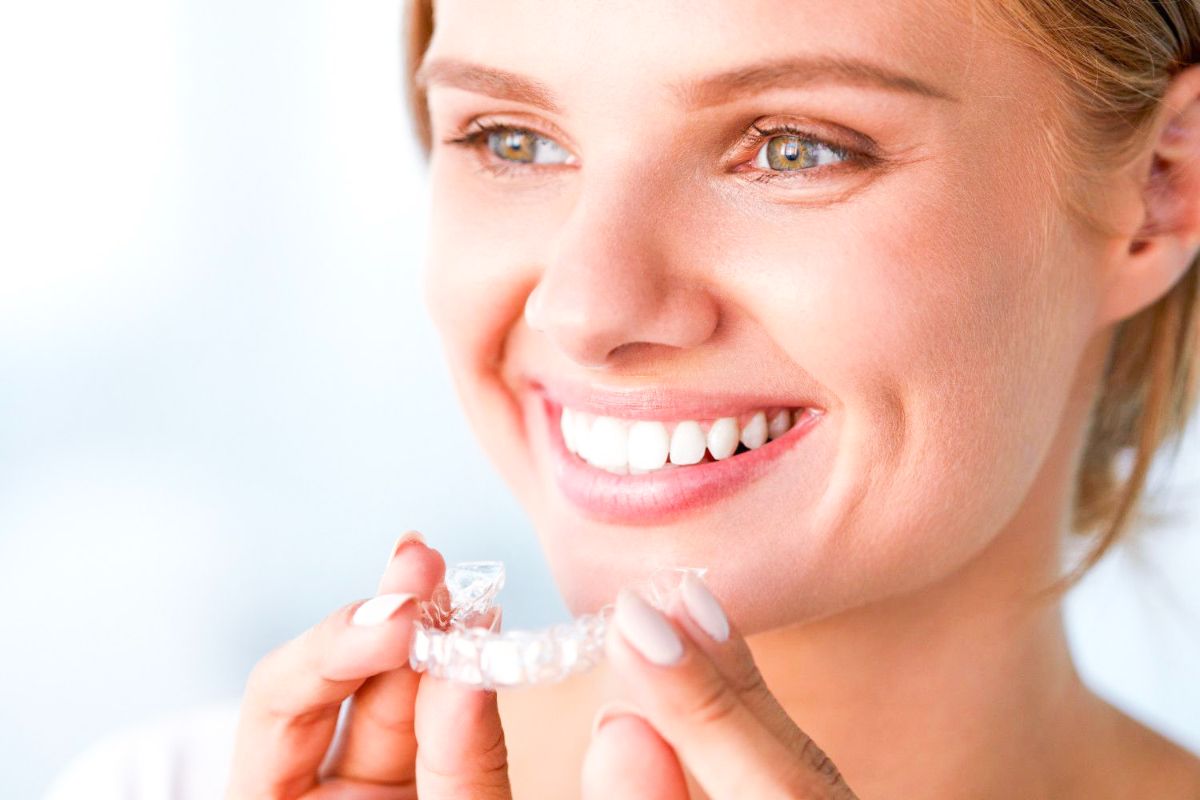
Clear aligners have come a long way, and a big reason for that progress sits right on the surface of your teeth. If you’ve been researching Invisalign or recently started treatment, you’ve probably heard the word “attachments” come up. Here’s what Invisalign attachments are, why they matter, and how they help deliver efficient results.
What Are Invisalign Attachments?
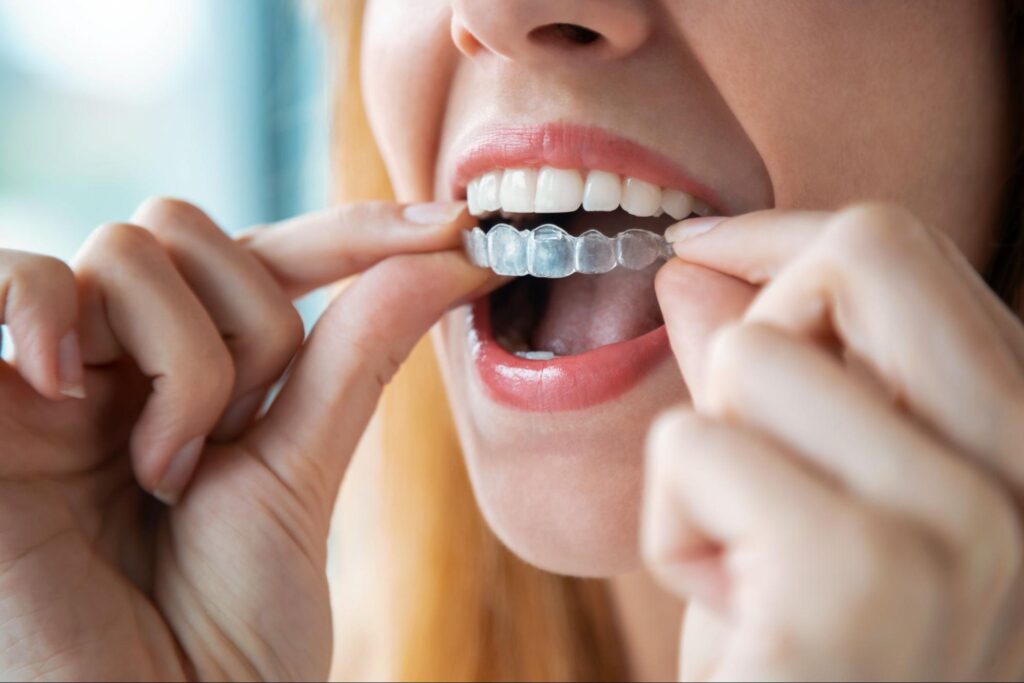
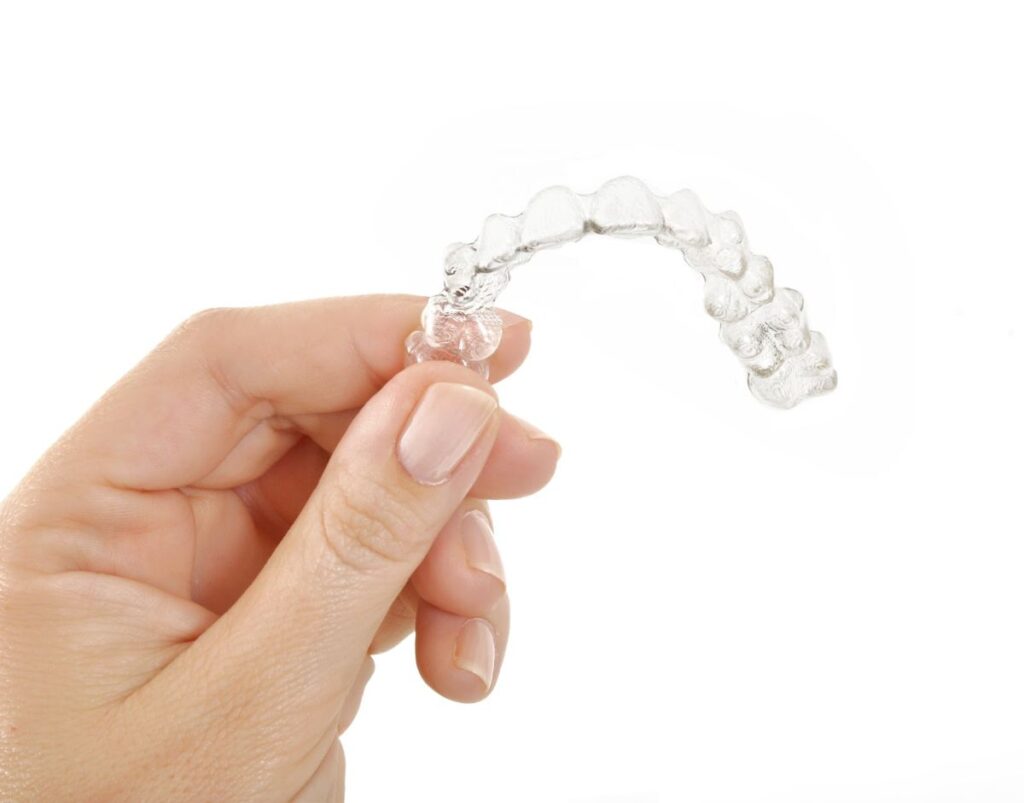
Invisalign attachments are small, tooth-colored composite shapes bonded directly to specific teeth to help your aligners move those teeth more precisely. Also known as SmartForce attachments, bumps, or buttons, they act as anchor points that give your clear aligners something to grip. Because they’re made from tooth-colored resin, they blend in and stay nearly invisible.
Think of them as tiny handles. Without them, aligners would slide over certain teeth without producing the exact movement your treatment plan calls for. With them, the aligner can gently push, pull, or rotate a tooth in the direction it needs to go.
Not every patient needs attachments. Placement is case-specific and depends on which teeth need to move and how. Some simple cases use very few, while more complex ones may call for several. Your orthodontist decides based on your personalized treatment plan.
How Invisalign Attachments Work
Attachments give your aligners the leverage they need to perform complex tooth movements that would otherwise be difficult or impossible with trays alone. They turn a smooth plastic shell into a precision tool.
Here’s how the process works, step by step:
- Digital planning. Using the iTero digital scanner, your orthodontist creates a 3D model of your teeth. The placement, shape, and angle of each attachment is mapped out digitally through ClinCheck software before anything is bonded.
- Shape selection. Attachments come in different shapes, including rectangular, ellipsoidal, and beveled. Each shape creates a different force vector. A rectangular attachment might help rotate a canine, while a beveled one might assist with pulling a tooth down into position.
- Bonding appointment. A clear template tray, custom-made for your mouth, is loaded with dental composite and placed over your teeth. A curing light hardens the composite in seconds. The template is then removed, leaving the attachments in place.
- Daily wear. Your aligners snap over the attachments and apply controlled force to produce rotations, extrusions (pulling teeth down), intrusions (pushing teeth up), and even root movement.
- Removal. Once treatment ends, Dr. Bruce Ollins or Dr. Gabriel Ollins gently removes the attachments with polishing tools, leaving your enamel smooth and intact.
The entire bonding appointment is quick, comfortable, and usually done in a single visit. According to Align Technology, the SmartForce feature was designed specifically to expand what clear aligners can accomplish.
Why Invisalign Attachments Matter
Attachments are one of the biggest reasons Invisalign can now treat cases that used to require metal braces. They’ve genuinely changed what’s possible with clear aligner treatment.
Here’s why they matter so much:
- They expand what aligners can do. Complex rotations, deep bite corrections, and vertical tooth movements all become achievable with attachments in play.
- They improve precision. By directing force exactly where it’s needed, attachments make tooth movement more predictable from one tray to the next.
- They reduce the need to switch to braces. Patients who might have been told “aligners won’t work for you” ten years ago are now good candidates.
- They help keep treatment on schedule. When aligners grip properly, teeth track to plan. That means fewer surprises and fewer refinement trays at the end.
- They expand candidacy. Teens, adults, and even patients with moderately complex bites can now consider clear aligners as a real option.
- They deliver better final results. With more precise movement throughout treatment, the finish line looks closer to the original goal, with less fine-tuning required.
In short, attachments are what allow Invisalign to feel almost custom-engineered for your mouth. They’re small, but they do a lot of work. For many patients at Ollins Orthodontics, they’re the difference between a good result and a great one.
Attachments vs. Buttons vs. Elastics
It’s easy to mix up these three terms because they often appear in the same treatment plan. Here’s a quick breakdown to clear things up.
| Feature | Attachments | Buttons | Elastics |
|---|---|---|---|
| What they are | Tooth-colored composite bumps bonded to teeth | Small anchors (often metal or clear) bonded to teeth | Rubber bands stretched between buttons or hooks |
| Main purpose | Give aligners grip for precise tooth movement | Serve as hooks for attaching elastics | Add directional force for bite correction |
| Visibility | Nearly invisible, blend with enamel | Visible but small | Visible when smiling or talking |
| When used | Most Invisalign cases involving rotation or complex movement | When elastics are needed with aligners | Overbite, underbite, or crossbite correction |
| Removable? | No, stay bonded through treatment | No, stay bonded while in use | Yes, patient removes and replaces daily |
Many patients only need attachments. Others need attachments plus a few buttons for elastics. Some complex bites call for all three working together. The right combination comes down to what your bite needs, and that’s determined during your free exam.
Who Needs Invisalign Attachments?
Attachments aren’t for everyone, but they’re used in most Invisalign cases today. Candidacy comes down to what your teeth need to do during treatment.
You’ll likely need attachments if you have:
- Rotated teeth, especially canines and premolars, which are naturally rounder and harder for aligners to grip
- Teeth that need vertical movement, such as extrusion (pulling a tooth down) or intrusion (pushing it up)
- Complex bite corrections, including deep bites or open bites
- Moderate to severe crowding that requires precise control of individual teeth
- A combination of movements across different areas of your mouth
Both teens and adults have similar candidacy criteria. Invisalign and Invisalign Teen both use attachments the same way, so age isn’t typically a limiting factor. Simple cases, like minor spacing or very mild crowding, sometimes need few or no attachments at all.
The only way to know for sure is through a professional evaluation. During your first visit at Ollins Orthodontics, Dr. Bruce Ollins or Dr. Gabriel Ollins will use 3D X-ray and digital scans to determine exactly what your treatment plan requires.
Frequently Asked Questions
Do Invisalign attachments hurt?
Attachments themselves don’t cause discomfort. The bonding process takes just a few minutes per tooth. You may feel mild pressure or tenderness for a day or two after new aligners are placed, since that’s when the attachments start doing their work, but this fades quickly as your teeth adjust.
Are attachments visible when I smile?
Attachments are made from tooth-colored composite resin, so they blend in well with your natural enamel. Most people won’t notice them unless they’re looking closely. When your aligners are in, the clear plastic covers everything, making them even less noticeable than clear braces.
What happens if an attachment falls off?
It happens occasionally, usually from biting into something hard. If an attachment pops off, call Ollins Orthodontics right away. We’ll schedule a quick visit to rebond it so your treatment stays on track. The replacement process takes just a few minutes.
Can I eat normally with attachments?
Yes, you can eat whatever you’d normally eat during Invisalign treatment, since aligners come out for meals. Just be aware that very hard or sticky foods can occasionally knock an attachment loose. Chewing with care and avoiding things like ice or hard candy helps protect them.
Will attachments stain my teeth?
Attachments can pick up staining from coffee, tea, red wine, and tobacco, especially if you wear your aligners right after consuming these. Good brushing habits and rinsing before putting aligners back in help keep them looking fresh. Any staining stays on the attachments, not your actual tooth enamel.
How are attachments removed after treatment?
Once your treatment ends, Dr. Bruce or Dr. Gabriel will remove the attachments using a gentle polishing tool. The composite is buffed away carefully, leaving your enamel smooth and unharmed. The process is comfortable and usually takes 15 to 20 minutes, depending on how many attachments you have.
Ready to see if Invisalign is right for you or your teen? The team at Ollins Orthodontics has been serving smiles of all sizes in Nutley, NJ for over 40 years, and we’d love to meet you. Schedule your free, no-pressure exam at our Nutley office at 653 Franklin Ave by calling 973.667.0771 today. Your smile’s in great hands.